




Reid Residents' Association

Reid Residents' Association

Highlighting and maintaining Reid heritage and its 'Garden City' design

Latest News

LOSS OF COMMUNITY SPACE etc.
It’s time to make a submission to the Standing Committee on Environment and Planning inquiry on Draft Major Plan Amendment to the Territory Plan 07 – Former Braddon Bowls Club (DPA-07). And what is the problem with this you might...
Continue Reading "LOSS OF COMMUNITY SPACE etc."
May 26 Newsletter
GM included guest speaker Thomas Emerson MLA for Kurrajong, an update on Stage 1 UNSW Canberra, residents’ traffic issues and heritage breaches; Special General Meeting authorised a revised constitution; disappointing response from government to our concerns re crashes and rat running; Braddon...
Continue Reading "May 26 Newsletter"
Reid – The suburb

The suburb dates from 1928 and is named after Sir George Reid, Australia’s fourth Prime Minister and a former Premier of New South Wales. It adopts Aboriginal words for its street names.

Click for more …

About Us

Reid Residents’ Association (RRA) is a volunteer, not for profit residents’ association formed on 14 August 1944 with the following objectives:

  • * foster an appreciation of the present Reid environment and encourage its preservation, taking into account the interest and welfare of the community
  • * support and implement agreed action on Reid community projects and interests.

Click for more …

Join Us

Membership is free and any Reid resident or other person approved by the committee may apply for membership if they agree to support the association’s objectives.  Residents interested in nominating for a position on RRA committee should contact the committee at info@reid.northcanberra.org.au

Conservation in Reid

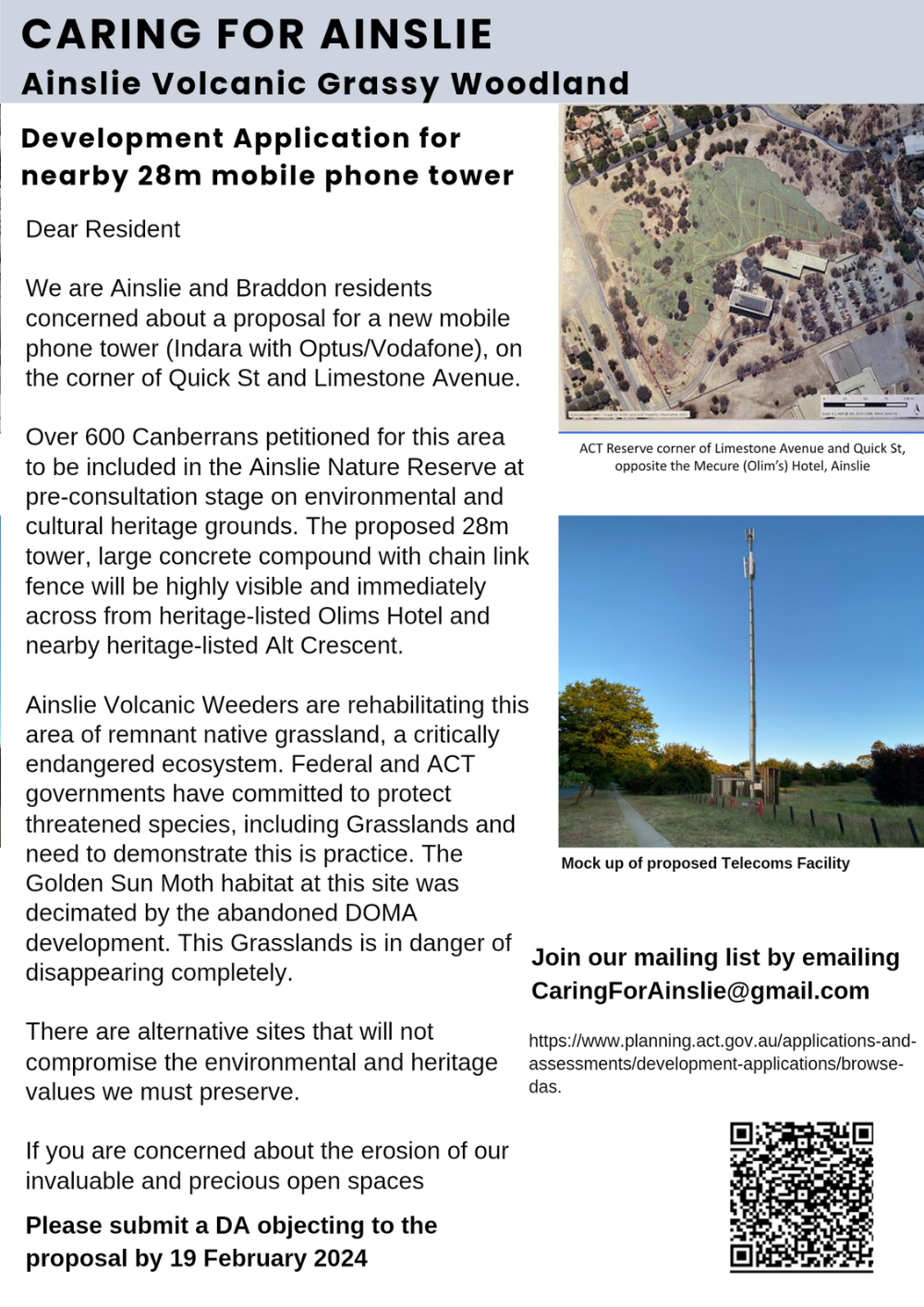
The Reid Housing Precinct was included on the Register of the National Estate on 21 October 1980 and is on the ACT Heritage Register. The intent of heritage listing is to retain and conserve the suburb’s intrinsic features:

  • for their ability to demonstrate historical values including ‘Garden City planning principles and architectural and landscape design from the initial period of urban development within Canberra
  • for the aesthetic unity of the streetscapes arising from the harmonious integration of low-density built forms within a mature landscape setting, and high proportion of landscape space and trees
  • for the social values associated with the retention of communal landscaped reserves and community facilities, whilst managing change to meet the contemporary requirements of residential usage.

Click for more …

Supported by